
Mud Season on the Wasatch Back: Notes from the Quietest Six Weeks of the Year
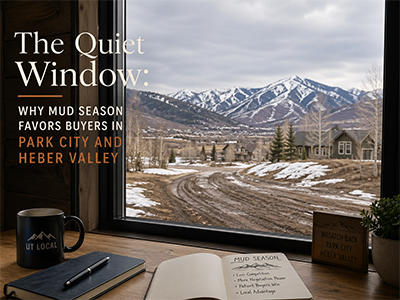
April 29, 2026 — Heber City, UT
If you live in the Heber Valley, you know the Tuesday after the ski resorts close. The road over Provo Canyon is empty by ten in the morning. The pass-through traffic on Highway 40 thins by half. The line at the gas station off Main is gone before noon. Everything that takes a beat to settle just… settles.
Mud season has started.
What Locals Mean by “Mud Season”
It’s the unofficial period that runs from the closing of Park City Mountain and Deer Valley in early April through Memorial Day weekend. About six weeks. Long enough to feel like a real season, short enough that it’s gone before you fully adjust to it.
The name is literal. The trails are too soft to hike, the high lakes are still iced or frigid, and the snow on the lawn becomes the puddle in the yard becomes the mud on your boots becomes the mud on your kitchen floor. Anyone who has lived a winter in Midway or Heber City has a particular pair of boots they keep just for these weeks.
And under the mud, the valley is quietly doing what it always does this time of year. The grass at Wasatch Mountain State Park starts coming in. The Provo River runs hard with melt. The first robins show up on the fence line a week or two before the geese return to Deer Creek. Soldier Hollow is empty enough that you can hear the wind moving across it.
The Towns Slow Down on Purpose
Park City’s Main Street thins to a fraction of its winter self. Some shops close for a week to clean and re-inventory. Restaurants tighten their hours. The seasonal staff who work the lifts and the lodges scatter — back to college towns, ahead to summer jobs at lake resorts, off to wherever the next gig is.
Heber City stays busier than Park City does, mostly because Heber is where the year-round residents actually live. But even Heber slows. The line at the Dairy Keen on Main, normally a real consideration, becomes a non-issue. The ranches west of town look back to themselves. The Heber Valley Railroad shifts schedules between its winter Polar Express runs and its summer scenic routes.
Midway feels the change most. Walk through downtown Midway in late April and you’ll find a town quietly dressed in its own outfit, before the Swiss Days crowds and the Ice Castles tourists and the Homestead golf season give it a second skin.
What Locals Do With the Quiet
The honest answer is: chores. Mud season is when the valley catches up on itself. Garden beds get turned. Windows get washed. Trucks get the snow tires swapped off. The fire department runs its annual community defensible-space clinics. The schools push through their last grading window before the seniors start senior-skipping.
The other honest answer is: nothing. Mud season is one of the few stretches of the year when there isn’t an obvious thing to be doing in the valley. The skis are away. The boats aren’t in. The bikes need new chains. So you sit. You read on the porch even though it’s still cold at night. You drive up to the Jordanelle overlook and watch the reservoir come back up. You take the long way home from Heber to Midway just to watch the light change on the back of Mount Timpanogos.
It’s the Wasatch Back at its most self-contained. No Sundance, no Tour of Utah, no Swiss Days, no Outdoor Retailer crowd through Park City — just the people who live here, doing what they do.
The Underrated Six Weeks
If you’re considering a move to the Wasatch Back, mud season is the most honest moment to visit. It’s when you see what the valley is actually like when nothing is happening — which, for a lot of people, is the test that matters. Resort towns are easy to fall in love with on a powder day. The harder question is whether you like them on a Tuesday in late April when the sky is gray and the trails are mud and the only thing on the calendar is dinner.
Most people who live here, when they’re honest, will tell you mud season is one of their favorite stretches of the year. Not because it’s pretty — it isn’t, particularly — but because it’s when the valley is most itself.
For more on the Wasatch Front and Wasatch Back, including real estate guidance and community essays from across the region, you can reach Olivia Pelton with UT Local through CityUT.
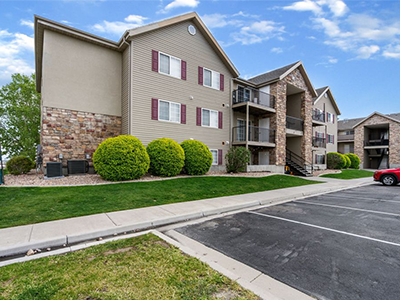
Hillcrest: A Quiet Lake-Adjacent Corner of Saratoga Springs
Hillcrest sits where Saratoga Springs slopes toward Utah Lake — a quiet pocket of condos with mountain views and easy...
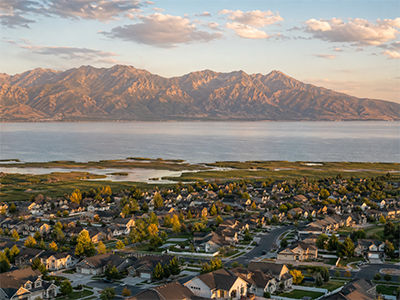
Sunset on Utah Lake: A Portrait of Saratoga Springs
Saratoga Springs at golden hour — a place essay on Utah's newest lake city at the edge of Silicon Slopes.

Inside Silicon Slopes: How Lehi Became the Heart of Utah Tech
Lehi has quietly become Utah's answer to Silicon Valley. A look at the companies, the culture, and the corridor itself...